



Regulatory Affairs
Regulatory Affairs Read More »

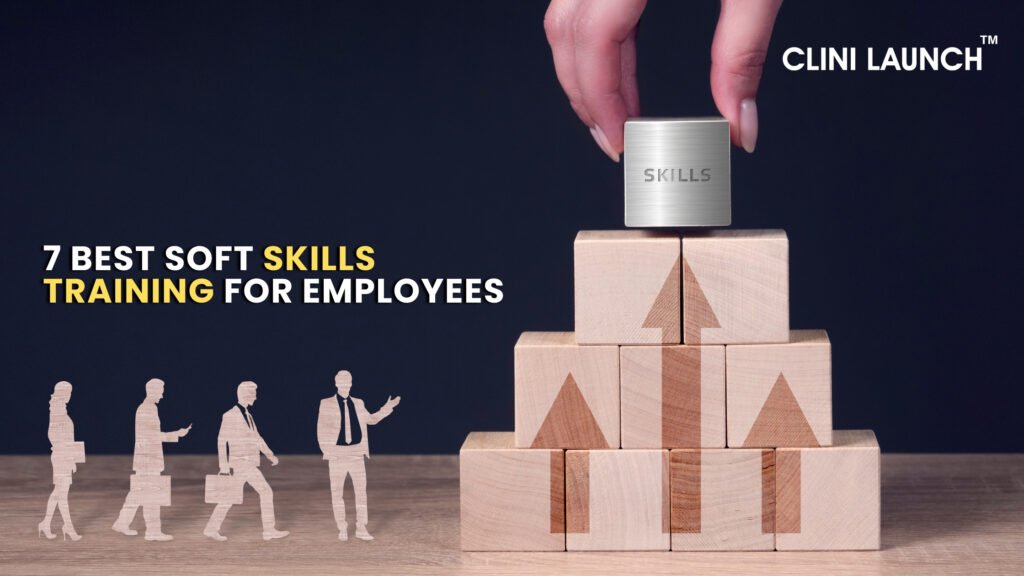
In the current interconnected workplace, technical proficiency alone is no longer sufficient for success. While hard skills get you in the door, it is most often-overlooked soft skills propelling careers and drive organizational effectiveness. Investing in soft skills training for your employees is an investment in your company’s future. With the interpersonal and communication abilities foster collaboration, boost morale, and enhance your workforce and create a thriving work environment. Find these 8 best soft skills training for employees that will help your community to drive success on the work front. Soft Skills Training for Employees Gamification To foster active engagement and skill development, organizations can integrate gamification into their soft skill training programs. By designing interactive scenarios that closely resembles real-world workplace situations, such as client interactions or collaborative projects, employees can practice and refine their abilities in a safe and engaging setting. This approach to transform traditional training into a dynamic experience, allowing participants to learn through practical application and immediate feedback. This method goes beyond passive learning by creating an immersive and enjoyable environment. The scenarios must be carefully crafted to address specific soft skills, ensuring they are relevant and impactful. By making training feel more like a game. Employees are more likely to be motivated and retain the knowledge, leading to tangible improvements in their communication, teamwork, and problem-solving abilities. To effectively gauge an employee’s soft skill proficiency, a 360-degree feedback survey offers a comprehensive evaluation. This method gathers insights from various perspectives, including self-assessment, feedback from subordinates, peers, and supervisors, providing a holistic view of an individual’s performance. Crucially, before initiating the survey, organizations must clearly define the specific soft skills they intend to assess, such as communication, leadership, or emotional intelligence, ensuring the feedback is targeted and relevant. Regularly employing 360-degree feedback facilitates ongoing monitoring of employees’ soft skill development. This process enables employers to track progress and identify areas requiring further attention. Following the assessment, conducting one-on-one sessions with employees to discuss the results is essential. These discussions provide an opportunity for personalized feedback, allowing employees to understand their strengths and weaknesses from multiple viewpoints. The data derived from the 360-degree assessment serves as a valuable tool for identifying specific areas for improvement. This information empowers organizations to tailor training programs to address the identified needs, thereby fostering targeted development and enhancing overall team performance. By leveraging this feedback, companies can ensure their employees are continuously growing and refining their crucial soft skills. Story-Based Learning Story-based learning leverages the power of narratives to impart crucial soft skills. By immersing employees in compelling stories, this approach taps into the emotional and cognitive aspects of learning. Characters and their experiences provide relatable scenarios, allowing learners to understand the practical application of soft skills like communication, empathy, and problem-solving. By including this method goes beyond simple remembrance, fostering a deeper connection with the material and enhancing comprehension. The impact of story-based learning lies in its ability to create memorable and relatable experiences. By engaging with characters and their challenges, employees can internalize lessons more effectively than through traditional methods. This leads to improved retention and a greater ability to translate learned soft skills into real-world work and personal situations, ultimately contributing to a more adaptable and emotionally intelligent workforce. Role Plays Role plays offer soft skill development by immersing employees in simulates scenarios. This experiential learning allows individuals to step outside their usual perspectives and embody different roles, fostering a deeper understanding of interpersonal dynamics. Through this active participation, employees can practice essential skills like communication empathy, and conflict resolution in a safe and controlled environment, mirroring real-world workplace interactions. The immediate feedback look inherent in role-playing is a crucial advantage. Participants receive direct observations and critiques, enabling them to reflect on their performance and identify areas for improvement. This process of self-evaluation and learning from mistakes accelerates skill development and promotes a growth mind set. Furthermore, the interactive nature of role-playing encourages problem-solving and adaptability, as individuals must adjust their responses based on the scenario and the actions of their counterparts. Ultimately, role-playing cultivates a more engaged and collaborative workforce. By promoting empathy and understanding, employees are better equipped to navigate complex interpersonal situations and build stronger relationships. This method not only enhances individual soft skills but also contributes to a more positive and productive organizational culture, where effective communication and teamwork are valued and practiced. Live interactive Sessions For comprehensive soft skill development across teams, live interactive sessions are highly effective according to CliniLaunch. These sessions should be designed with a clear, actionable objective, focusing on addressing real-time challenges within the workplace. By centring the workshop around practical problem-solving, participants gain immediate, relevant skills that can be applied to their daily tasks. For instance, a workshop aimed at enhancing customer service conflict resolution can utilize role-playing exercises. Simulating real-life scenarios with a supervisor or L&D representative acting as a challenging customer allows employees to practice de-escalation and problem-solving techniques. This hands-on approach enables trainers to pinpoint specific skill gaps and provide targeted feedback, ultimately leading to tangible improvements in customer service interactions. The modern work space increasingly reliant on remote operations, necessitates adaptable training solutions. Online learning platforms offer a practical avenue for delivering soft skills development to employees regardless of their locations or device. CliniLaunch Business Solutions is a platform provides readily available courses, culminating in soft skills certification that validate acquired knowledge. However, the acquisition of a technical and non-technical certification alone does not guarantee practical application. The challenge lies in translating theoretical knowledge into tangible skills that employees can effectively utilize in their daily work. To bridge this gap, organizations must implement strategies that facilitate the consolidation and practical application of learned soft skills. One highly effective approach is the integration of dialogue simulations into online training programs. These simulations provide a realistic, interactive environment where employees can practice and refine their communication skills. Unlike traditional online courses, dialogue simulations replicate actual conversations with various stakeholder, such as customer or colleagues.
7 Best Soft Skills Training for Employees Read More »
Learn the most effective healthcare acquisition strategies to get help with employer branding and explore quality talent pool from CliniLaunch. Join today. Healthcare acquisition has become a vital strategy for organizations seeking growth, competitive advantage, and enhanced patient care. With the ever-changing landscape of the healthcare industry, companies must adopt well-structured approaches to succeed. This article explores five effective strategies for healthcare acquisition, emphasizing patient-centric approaches, financial prudence, and technological innovation. Understanding Healthcare Acquisition Definition of Healthcare Acquisition Healthcare acquisition refers to the process by which one healthcare organization acquires another, integrating operations, services, and resources. This strategic move often aims to expand market reach, enhance service offerings, or achieve economies of scale. Why Healthcare Acquisition Matters Healthcare acquisitions are crucial for organizations aiming to: By leveraging acquisitions, healthcare providers can enhance patient care, improve operational efficiency, and secure long-term sustainability. Strategy 1: Conduct Comprehensive Market Research Assessing Industry Trends Understanding industry trends is foundational for successful acquisitions. Factors like telehealth growth, value-based care models, and technological advancements shape acquisition decisions. Staying informed ensures organizations align acquisitions with future demands. Understanding Competitor Landscape Analyzing competitors reveals potential gaps or opportunities in the market. Organizations can use this insight to acquire entities that complement or strengthen their competitive position. Consumer Needs and Expectations Patient expectations for personalized, efficient, and accessible care have grown. Acquiring organizations that cater to these needs can enhance brand reputation and patient satisfaction. Strategy 2: Develop a Clear Integration Plan Pre-Acquisition Planning Before initiating an acquisition, evaluating compatibility in terms of values, goals, and operational models is essential. A robust pre-acquisition strategy prevents conflicts and ensures alignment. Post-Acquisition Integration A detailed plan for merging processes, systems, and cultures is crucial. Addressing potential challenges like staffing, technology integration, and workflow management upfront can make transitions smoother. Focus on Cultural Alignment Cultural differences can derail acquisitions if not addressed. Establishing shared goals and fostering a cohesive work environment promotes success. Strategy 3: Leverage Technology and Digital Transformation Role of Technology in Acquisition Success Technology has transformed healthcare, making it an indispensable part of acquisitions. Implementing advanced tools like electronic health records (EHR) and telemedicine platforms ensures operational efficiency. Digital Tools for Efficient Mergers Using digital solutions for data integration, communication, and patient management simplifies the transition process. These tools can help maintain service quality during organizational changes. Innovation and Future-Ready Solutions Staying ahead of technological trends ensures organizations remain competitive. Investing in innovations like AI-powered diagnostics or blockchain for secure data sharing positions the acquisition for long-term success. Strategy 4: Focus on Financial and Legal Due Diligence Conducting Financial Assessments Assessing an organization’s financial health, including revenue streams, liabilities, and potential risks, helps avoid unexpected challenges. Transparent financial evaluations are a cornerstone of successful acquisitions. Legal Considerations Acquisitions must comply with healthcare regulations and contractual obligations. Legal due diligence mitigates risks related to non-compliance, antitrust laws, or intellectual property disputes. Risk Mitigation Strategies By identifying and addressing potential risks, organizations can safeguard their investments and avoid post-acquisition setbacks. Strategy 5: Prioritize Patient Care and Outcomes Ensuring Continuity of Care Acquisitions should focus on maintaining consistent patient care. Transparent communication and efficient service transitions build trust among patients. Enhancing Patient Services Acquisitions offer opportunities to improve care quality through expanded services, advanced technology, or better infrastructure. Prioritizing patient needs fosters long-term success. Measuring Success Through Outcomes Tracking metrics like patient satisfaction, health outcomes, and service accessibility ensures acquisitions deliver tangible benefits to stakeholders. Conclusion Healthcare acquisitions are complex but rewarding endeavors. By adopting strategies like thorough market research, clear integration planning, technological investment, financial diligence, and patient-focused approaches, organizations can achieve sustainable growth and improved patient outcomes. Strategic acquisitions can redefine healthcare delivery, setting a foundation for a brighter, healthier future. Frequently Asked Questions Conducting comprehensive due diligence, including financial, legal, and operational assessments, is crucial. Technology ensures seamless integration, improves efficiency, and enhances patient care through innovative solutions. Cultural alignment fosters collaboration, reduces conflicts, and ensures shared organizational goals. By maintaining transparency, enhancing services, and focusing on patient satisfaction during transitions. Financial due diligence identifies potential risks, ensures investment viability, and helps in informed decision-making.
5 Effective Healthcare Acquisition Strategies for Organizations Read More »
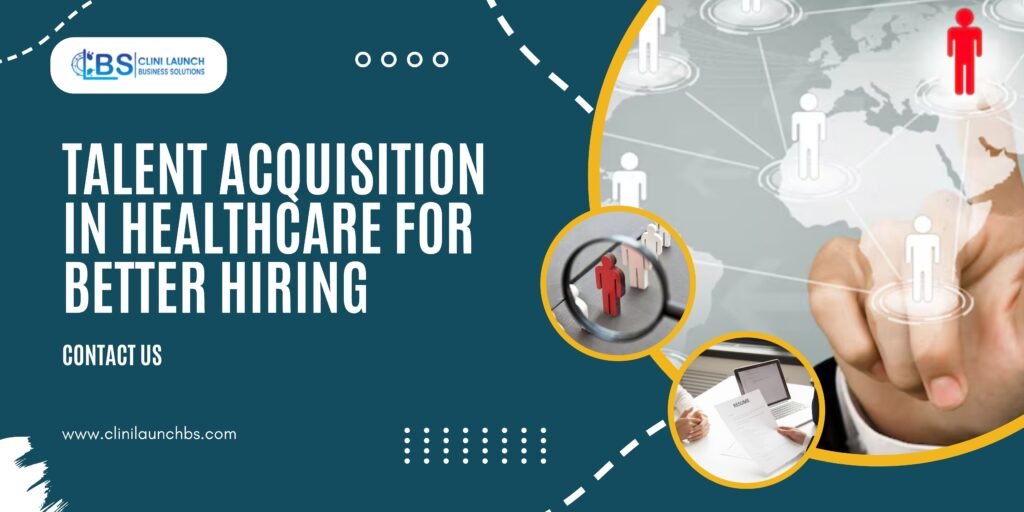
Healthcare is the process to diagnose, treat illness, and prevention from injuries and other physical and mental impairments. Talent acquisition in healthcare stands as a critical bridge to facilitate and bring thriving healthcare professionals to the organizations. Healthcare recruiters are tasked with an in-demand yet rewarding mission of directing these professionals into the designated roles. In a decade, we have witnessed a paradigm shift in hiring practices and talent acquisition in healthcare while facing unique challenges and opportunities. In this blog post, we will cover recruitment trends, workforce planning, diversity & inclusion in hiring, and employer branding. Healthcare Recruiting Trends As the healthcare industry is unique for its clinical and non-clinical operations, healthcare professionals are required to provide care for patients and run the business side of healthcare. As a result, the healthcare recruiting trends are especially challenging due to diverse factors. Some of the factors include talent shortages, high employee turnover rates, and the competitive nature of job seekers in the healthcare market. According to Jobvite, nearly 83% of clinical and 77% of non-clinical employees are open to other job opportunities in the healthcare sector. The healthcare industry faces challenges in the recruitment and retention due to shortage of skilled professionals, high turnover rates, and a competitive job market. However, the US Bureau of Labor Statistics projected that healthcare employment will grow from 2022 to 2032 with approximately 1.8 million job openings each year. In the context of the American Association of Colleges of Nursing, approximately 30,000 new APRNs (Advanced Practice Registered Nurses) will be required each year to meet the rising demand of healthcare professionals. This may add pressure on healthcare recruiters to not only hire top talent, but also retain existing employees. As the need is growing each year for healthcare talent acquisition, the employers can no longer rely on reactive hiring. In 2025, organizations must shift to strategic talent acquisition in healthcare to attract and retain top-notch talent with employee value proposition (EVP). It does mean transformation of employer branding, retention efforts, and recruitment marketing in one roof that will inspire both current staff and future talent. Artificial Intelligence and Automation Artificial Intelligence is automating tasks while improving efficiency with Applicant Tracking System that can analyze resumes, identify key skills and rank candidates based on job requirements. This streamlines that screening process and allows recruiters to focus on the most promising applicants. Furthermore, AI can schedule interviews and source candidates from various online platforms, and even predict candidate success. However, it is crucial to use artificial intelligence responsibly. Ensuring data privacy, mitigating algorithmic bias, and maintaining human oversight are essential to ensure a fair and ethical recruitment process. By leveraging AI’s potential while addressing these concerns, companies can improve the hiring quality, candidate’s experience enhancement, and build a more diverse and inclusive workforce. Remote and Hybrid Work With the increase in remote and hybrid working models, driven by factors such as technological advancements, employee preference for flexibility, and the need to improve access to care. Telehealth, remote patient monitoring, and virtual consultations have expanded the scope of remote healthcare services. This shift necessitates a corresponding evolution in recruitment strategies. Healthcare organizations must adapt their hiring processes to attract and retain top talent from a broader geographical pool, focusing on skills, experience and cultural fit rather than solely on location. Remote hiring presents both challenges and benefits. Challenges include ensuring compliance with relevant regulations. However, remote work also offers significant advantages, such as access to a larger talent pool, increased employee satisfaction and retention, and reduced overhead costs. With the careful consideration, implementing appropriate technologies, and support systems, healthcare organizations can successfully navigate the evolving landscape of remote work and build high-performing, distributed teams. Candidate Experience A positive candidate’s experience is crucial for attracting and retaining top talent. It goes beyond simply filling a vacancy, it is about building a strong employer brand while fostering long-term relationships with potential employees. When candidates feel valued and respected throughout the hiring process, they are more likely to accept job offers, become engaged employees, and become brand ambassadors for the company. This can significantly impact a company’s reputation and ability to attract future talent. With the improvement in candidate’s communication and engagement, companies can implement several strategies. This may include timely and transparent communication throughout the hiring process, providing regular updates on the status of their application, and promptly addressing any questions or concerns. Utilizing technology These include timely and transparent communication throughout the hiring process, providing regular updates on the status of their application, and promptly addressing any questions or concerns. Utilizing technology such as AI-powered chatbots and automated scheduling tools can streamline communication and improve efficiency. Personalizing the experience by addressing candidates by name and tailoring communication to their specific interests can also enhance engagement. By prioritizing a positive candidate experience, companies can build stronger relationships with potential employees and gain a competitive advantage in the talent market. Healthcare Workforce Planning In the context of a workforce, the Association of American Medical Colleges conducted a study estimating that the U.S. will face a shortage of approximately 104,900 physicians by 2030. As it is a typical challenge in the healthcare sector as it is growing, there is a shortage of essential clinical and non-clinical staff across the country. Anticipating Future Needs Analyzing workforce trends and predicting future staffing needs is crucial for any organization’s success. By understanding the evolving skills landscape, demographic shifts, and technological advancements, businesses can proactively address potential challenges and capitalize on emerging opportunities. This proactive approach allows for strategic workforce planning, ensuring the right talent is available at the right time to support business growth and achieve strategic objectives. Workforce analytics plays a vital role in this process. By collecting and analyzing data on employee demographics, skills, performance, and other relevant factors, organizations can gain valuable insights into their current workforce. These insights can be used to identify potential skill gaps, predict future staffing needs, and develop targeted strategies for recruitment, training, and development.
Talent Acquisition in Healthcare for Better Hiring Read More »
In the context of the Bureau of Labour Statistics, employment in the healthcare industry is expected to increase 13% by 2031. Recruiters need to innovate new hiring methods. In 2025, finding the right talent in healthcare is no walk in the park. From hospitals to private clinics, employers constantly juggle the need for skilled professionals and the pressure to maintain high-quality patient care. Enter CliniLaunch Business Solutions — a game-changer in healthcare recruitment. With a robust talent pool tailored to the industry, CliniLaunch bridges the gap between demand and supply, ensuring healthcare employers find the perfect match for their needs. What is CliniLaunch Business Solutions? CliniLaunch business solutions Pvt. Ltd. is a recruitment and staffing agency offering the opportunity to connect healthcare, information technology and extrinsic employers with qualified professionals. Its focus goes beyond traditional hiring portals by understanding the nuances of the industry and delivers a comprehensive solution for recruitment challenges. Specialized Focus on Healthcare Professionals Unlike generic recruitment agencies, CliniLaunch business solutions zeroes in on healthcare, offering a tailored approach to bulk hiring in the name of Career Fair partnered with CliniLaunch Research Institute. Whether it’s nurses, lab technicians, or administrative staff, this platform is a one-stop solution for all your healthcare staff hiring needs. Access to a Diverse Talent Network As the market is competitive in the arena of healthcare, the diversity of professionals in the CliniLaunch Research Institute’s talent pool sets it apart. From entry-level roles to experienced specialists, employers can tap into a wide spectrum of candidates. This diverse talent pool is ready to explore the healthcare industry work environment and culture, ensuring that every organization, regardless of size or speciality, finds the right fit. Time-Saving Recruitment Process Gone are the days of sifting through endless resumes. CliniLaunch simplifies the hiring process by conducting a career fair at its venue where candidates will approach the companies in bulk. The healthcare employers can save their valuable time by figuring out the candidate’s depth of knowledge and skill sets for the job role offered by them. Enhanced Candidate Screening Understanding the nuances that quality matters, especially in healthcare. CliniLaunch employs rigorous screening protocols to ensure candidates meet industry standards. Rest assured, CliniLaunch ensures that the professionals are certified, skilled and ready to excel in the field of clinical research. Addressing Workforce Shortages The healthcare industry is no stranger to staffing shortages and we understand that the employers need skilled and knowledgeable employees to fill critical gaps swiftly and efficiently. Addressing the workforce shortages, CliniLaunch ensures that healthcare facilities continue to operate smoothly, even during crises. Adapting to Emerging Trends in Healthcare With the advancements in telemedicine and care models on the rise, the demand for tech-savvy professionals has skyrocketed. CliniLaunch stays ahead of the curve by offering candidates trained in the latest healthcare trends, keeping employers future-ready. Proven Track Record CliniLaunch boasts an impressive portfolio of success stories by connecting healthcare employers with skilled manpower. From reviving struggling hospitals to scaling private clinics, its talent pool has consistently delivered results. These success stories from CliniLaunch underscore its reliability and effectiveness in the healthcare industry. Tailored Recruitment Solutions One size doesn’t fit all in the healthcare industry. CliniLaunch offers tailored recruitment solutions for employers allowing them to choose the way that aligns with their specific manpower needs and budgets. Enhancing Patient Care Overall, certified and skilled professionals make all the difference. CliniLaunch ensures employers have access to talent that enhances patient care and overall satisfaction. Ultimately, healthcare is all about patients. AI-Driven Matching System Advanced artificial intelligence algorithms power CliniLaunch Business Solutions, enabling precise matches between employers and candidates. This technology minimizes mismatches and maximizes hiring success rates. Data-Driven Insights for Better Hiring Decisions CliniLaunch business solutions provides employers with valuable analytics, offering insights into candidate’s performance based on the evaluation criteria and industry trends. These data-driven tools empower employers to make informed decisions. Real-Life Success Stories The Future of Healthcare Recruitment with CliniLaunch As the healthcare industry evolves, CliniLaunch continues to innovate. By adapting to industry needs and fostering long-term partnerships, it remains a vital resource for employers navigating the complexities of recruitment. Conclusion CliniLaunch business solutions is not just a recruitment agency – its your partner in success. By offering a specialized, tech-driven, and result-oriented approach, it ensures healthcare employers find the talent they need to thrive. Ready to explore the possibilities? Check out the CliniLaunch Talent Pool today! FAQs 1. What makes CliniLaunch unique compared to other recruitment platforms? CliniLaunch focuses exclusively on healthcare, offering tailored solutions and a diverse talent pool for employers. 2. How does CliniLaunch ensure candidate quality? Rigorous screening processes and AI-driven assessments guarantee only top-tier professionals are selected. 3. Can small healthcare providers benefit from CliniLaunch? Absolutely! CliniLaunch offers flexible hiring packages suited to organizations of all sizes. 4. Does CliniLaunch cater to international healthcare employers? Yes, CliniLaunch supports employers globally, providing access to a worldwide talent pool. 5. What steps can employers take to start using CliniLaunch? Visit CliniLaunch’s official website, create an employer profile, and explore their extensive talent database.
How the Talent Pool at CliniLaunch helps Healthcare Employers? Read More »