Healthcare is Moving Beyond Hospital Walls
India’s healthcare landscape is undergoing a significant transformation. While hospitals continue to play a vital role in patient treatment and recovery, an increasing number of patients today prefer receiving medical care in the comfort of their homes.
Driven by an aging population, rising chronic diseases, technological advancements, and changing patient preferences, home healthcare has emerged as one of the fastest-growing segments within the healthcare industry.
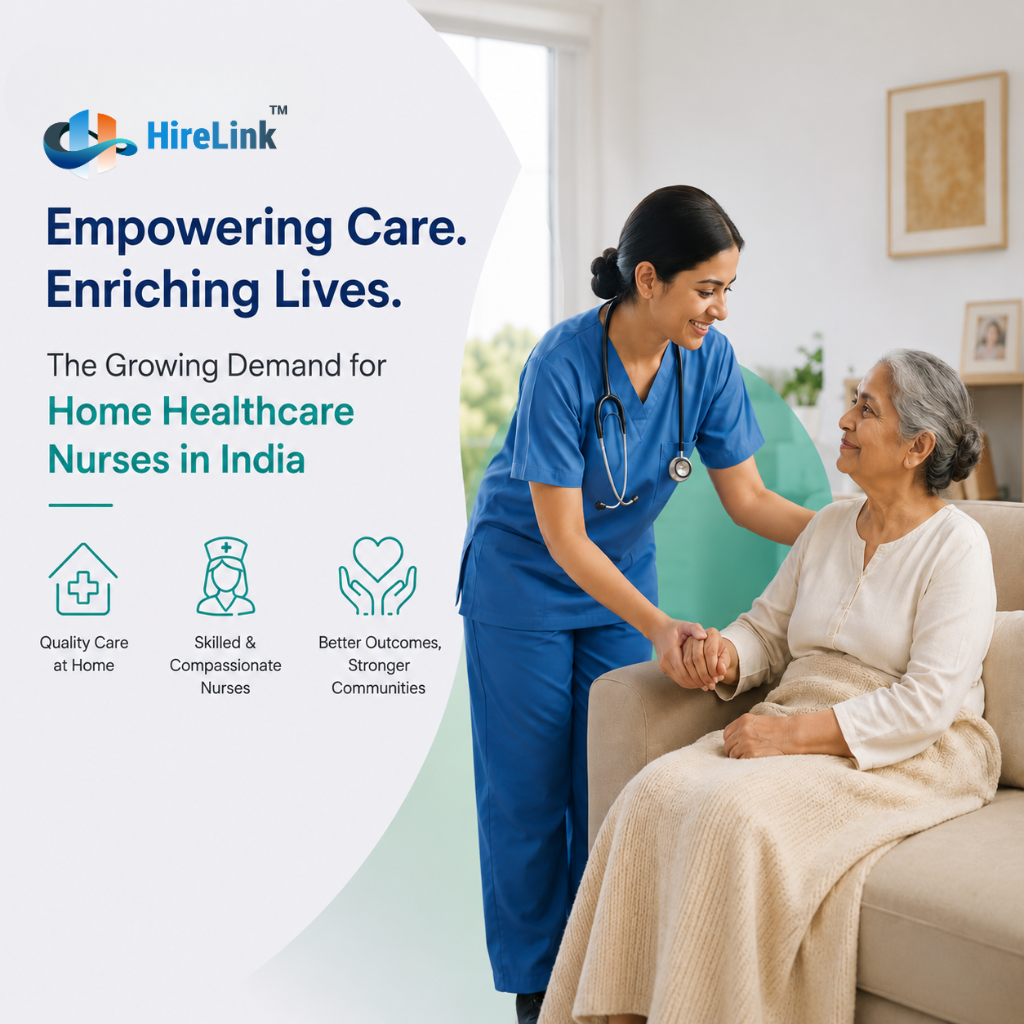
At the center of this transformation are Home Healthcare Nurses—skilled professionals who provide clinical care, monitoring, rehabilitation support, and emotional assistance directly to patients in their homes.
As healthcare delivery evolves, the demand for qualified home healthcare nurses is growing rapidly across India, creating new career opportunities for nursing professionals while improving access to quality patient care.
What is Home Healthcare Nursing?
Home healthcare nursing involves providing professional medical care to patients outside traditional healthcare facilities.
Home healthcare nurses work closely with patients who require ongoing medical attention but do not necessarily need hospitalization. They deliver personalized care while helping patients recover, manage chronic illnesses, and maintain a better quality of life.
Their responsibilities often include:
- Medication administration
- Wound care management
- Post-surgical care
- Monitoring vital signs
- Elderly patient care
- Chronic disease management
- Rehabilitation support
- Palliative and end-of-life care
- Patient and family education
- Coordination with doctors and healthcare providers
By delivering care at home, nurses help reduce hospital readmissions while ensuring patients receive continuous medical support.
Why Home Healthcare is Growing Rapidly in India
1. Rising Chronic Diseases
The prevalence of chronic illnesses such as diabetes, hypertension, cardiovascular disorders, neurological conditions, and respiratory diseases continues to rise across the country.
Patients with long-term health conditions often require regular monitoring and ongoing medical support, making home healthcare nursing an essential component of disease management.
2. Preference for Home-Based Recovery
Patients recovering from surgeries, injuries, or major medical procedures frequently experience faster recovery and greater comfort in familiar surroundings.
Home healthcare nurses enable safe recovery by providing clinical care while reducing the stress associated with prolonged hospitalization.
3. Cost-Effective Healthcare Solutions
Extended hospital admissions can be expensive for both patients and healthcare providers.
Home healthcare offers a more affordable alternative while maintaining continuity of care, making it an increasingly attractive option for families.
4. Technological Advancements
Telemedicine, remote patient monitoring, digital health records, and connected medical devices have made it easier than ever for healthcare professionals to monitor patients outside hospital environments.
These innovations have strengthened the role of home healthcare nurses as an integral part of modern healthcare delivery.
5. Aging Population
India is witnessing a steady increase in its elderly population. As life expectancy improves, more individuals require long-term healthcare support for age-related conditions.
Many families prefer professional nursing care at home rather than extended hospital stays or institutional care facilities. This has significantly increased demand for home healthcare nurses.
Key Responsibilities of Home Healthcare Nurses
Home healthcare nurses perform a diverse range of clinical and patient support functions depending on individual patient needs.
Some of their core responsibilities include:
Clinical Care
- Administering medications and injections
- Monitoring patient conditions
- Managing medical equipment
- Performing wound dressing and infection control procedures
- Supporting post-operative recovery
Patient Assessment
- Tracking vital signs
- Identifying health changes
- Reporting concerns to physicians
- Monitoring treatment effectiveness
Elderly Care
- Assisting with mobility
- Supporting daily living activities
- Preventing complications associated with aging
- Providing companionship and emotional support
Chronic Disease Management
- Monitoring blood sugar levels
- Managing blood pressure
- Supporting respiratory care
- Educating patients about lifestyle modifications
Family Education
Home healthcare nurses also guide family members on:
- Medication schedules
- Patient safety measures
- Disease management practices
- Emergency response procedures
This education empowers families to participate actively in patient care. Growing Career Opportunities for Home Healthcare Nurses
As healthcare providers continue hiring for home healthcare services, employment opportunities for qualified nurses are expanding across multiple sectors.
Home healthcare nurses are increasingly being hired by:
- Home healthcare service providers
- Multi-specialty hospitals
- Rehabilitation centers
- Elderly care organizations
- Palliative care facilities
- Telehealth service providers
- Assisted living centers
- Community healthcare programs
The demand spans metropolitan cities as well as emerging healthcare markets across Tier-2 and Tier-3 regions.
For nursing professionals seeking flexible work environments, diverse patient experiences, and meaningful patient relationships, home healthcare presents a rewarding career path.
As healthcare organizations continue hiring skilled nursing professionals, Hirelink™ supports career growth by connecting qualified candidates with leading healthcare employers, helping them access new opportunities, advance their careers, and contribute to improving patient care across India.

Skills Required for Success in Home Healthcare Nursing
Home healthcare nurses often work independently and therefore require a combination of technical expertise, clinical competency, and interpersonal skills.
Key competencies that healthcare employers commonly look for while hiring home healthcare nurses include:
- BLS (Basic Life Support) and ALS (Advanced Life Support) certification
- Diagnosis and patient assessment skills
- Critical thinking and decision-making
- Communication skills
- Empathy and patient-centered care
- Time management
- Adaptability
- Emergency response capability
- Documentation and reporting skills
The ability to build trust with patients and families is particularly important in home-based care settings, where nurses play a vital role in delivering personalized and continuous care.
Challenges in Home Healthcare Nursing
While home healthcare offers many benefits, nurses may encounter challenges such as:
- Managing patients independently
- Handling emergency situations
- Coordinating with multiple healthcare providers
- Balancing workload and scheduling
Proper training, organizational support, and workforce planning are essential to overcoming these challenges and ensuring quality patient outcomes.
The Role of Healthcare Staffing in Supporting Home Healthcare Growth
As demand for home healthcare services continues to expand, healthcare organizations increasingly require qualified nursing professionals who can deliver care in community and home settings.
Healthcare staffing and recruitment partners play a vital role by:
- Identifying qualified home healthcare nurses
- Verifying credentials and experience
- Accelerating recruitment processes
- Supporting temporary and permanent staffing needs
- Helping healthcare providers scale services efficiently
Effective staffing solutions ensure patients receive timely care while enabling healthcare organizations to meet growing service demands.
How Hirelink™ Supports Home Healthcare Recruitment
As healthcare delivery models continue to evolve, Hirelink™ is helping healthcare organizations connect with qualified nursing professionals for home healthcare roles.
Through specialized healthcare recruitment solutions, Hirelink™ supports healthcare providers in identifying skilled candidates, reducing hiring timelines, and addressing workforce requirements efficiently.
By connecting talented nursing professionals with meaningful career opportunities, Hirelink™ contributes to strengthening home healthcare services and improving patient care outcomes across India.
Conclusion
Home healthcare nursing is rapidly becoming one of the most important components of India’s healthcare ecosystem.
As the demand for personalized, accessible, and cost-effective healthcare grows, home healthcare nurses will continue to play a critical role in supporting patients beyond hospital settings.
From elderly care and chronic disease management to post-operative recovery and rehabilitation, these professionals are transforming how healthcare is delivered across the country.
For nursing professionals, home healthcare offers a promising and fulfilling career path. For healthcare providers, it represents an opportunity to deliver patient-centered care at scale. Together, they are shaping the future of healthcare in India—one patient, one home, and one nurse at a time.